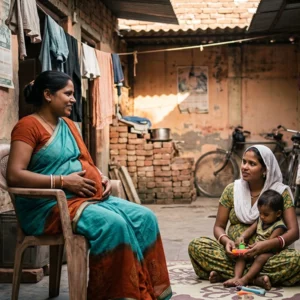
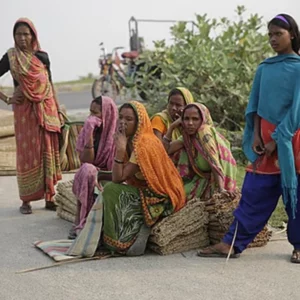
This study was conducted to monitor lead poisoning, if any, in pregnant women of Meerut City, a town of Northern India. The parameters selected included urinary concentration of lead and 𝛿-aminolevulinic acid. Further, whole body oxidative stress caused by environmental lead exposure has also been determined through urinary concentration of thiobarbituric acid Reactive Substances (TBARS). Present results show that lead concentration in pregnant women (26-30 years) was higher (52±0.01 µg/dL) than younger (20-25 years) (40±0.01 µg/dL) and older (31-40 years) (43±0.01 µg/dL) women. Further, highest concentration of 𝛿-aminolevulinic acid in urine (2.60±0.55 mg/l) was also recorded in the pregnant women aged between 26-30 years. Women in the age group of 20-25 years and consuming non-vegetarian diet showed comparatively higher values for TBARS (5.56±0.6 µM). Higher concentration of lead in the urine samples of pregnant women than non-pregnant women is attributed to calcium stress and its increased release from bones during pregnancy. It is concluded that pregnant women of north India and their growing fetuses are more vulnerable to environmental lead poisoning
The levels of heavy metals, such as Pb, Cd, Cu, Zn and Fe, in whole blood samples of Mumbai and Hyderabad children have been determined. In the present study, 576 blood samples of children (3–6 years old) were collected during 1996–1998 and analyzed for heavy metal contents by anodic stripping voltammetry and atomic absorption spectrometry. The geometric mean concentrations of Pb, Cd, Cu and Zn in blood of Mumbai children were 8.0, 0.10, 86.5 and 398.9 μg dl−1, while those for Hyderabad children were 13.3, 0.13, 100.6 and 483.4 μg dl−1, respectively. The geometric mean concentrations of Fe in the blood of Mumbai and Hyderabad children were 21.9 and 34.5 mg dl−1, respectively. Of the Mumbai children, 61.8% were found to have a blood lead concentration less than 10 μg dl−1, while the corresponding proportion of Hyderabad children was 27.4%. Higher concentrations of Pb in the children’s blood were observed at high traffic areas in both cities. A decreasing trend in the hemoglobin content with increasing blood lead levels was observed for Mumbai children. A good negative correlation (−0.61) between the blood lead and iron has been observed for Mumbai children. The hemoglobin content of 85% of the study population was found to vary between 8 and 14 g%.
Objectives: To determine the concentrations of blood lead (PbB) in pregnant women in the slums of Lucknow, north India.
Methods: Of the 203 designated municipal slums in Lucknow, 70 were randomly selected for study and a cohort of 500 pregnant women was enrolled. Each participant was interviewed with questions on possible sources of exposure to lead, surrogates of nutritional status were measured, and PbB was measured.
Results: The mean PbB was 14.3 micrograms/dl and 19.2% of women had PbB > or = 20 micrograms/dl. PbB was not associated with age, height, weight, gestation, or history of abortions, although higher PbB was associated with higher parity. Women living inner city neighbourhoods near heavy vehicular traffic had PbB 2.2 micrograms/dl higher (95% confidence interval (95% CI) 0.8 to 3.6) than those living in other neighbourhoods. The PbB was not associated with reported use of piped water or the presence of paint in homes, and increasing PbB was unexpectedly associated with decreasing use of eye cosmetic “surma” and the duration of gestation.
Conclusions: The high PbB found in this population raises concern about fetal development and points to the urgent need to reduce exposure to lead.
To determine the concentrations of blood lead (PbB) in pregnant women in the slums of Lucknow, north India.
Methods-Of the 203 designated municipal slums in Lucknow, 70 were randomly selected for study and a cohort of 500 pregnant women was enrolled. Each participant was interviewed with questions on possible sources of exposure to lead, surrogates of nutritional status were measured, and PbB was measured.
Results-The mean PbB was 14*3 ug/dl and 19*2% of women had PbB > 20 pgldl. PbB was not associated with age, height, weight, gestation, or history of abortions, although higher PbB was associated with higher parity. Women living in inner city neighbourhoods near heavy vehicular traffic had PbB 2*2 pg/dl higher (95% confidence interval (95% CI) 0’8 to 3.6) than those living in other neighbourhoods. The PbB was not associated with reported use of piped water or the presence of paint in homes, and increasing PbB was unexpectedly associated with decreasing use of the eye cosmetic “surma” and the duration of gestation.
Conclusions-The high PbB found in this population raises concern about fetal development and points to the urgent need to reduce exposure to lead.
Lead exposure in children contributes to 600,000 new cases of intellectual disabilities every year with maximum occurrence in developing countries. Currently limited information is available on the blood lead level (BLL) in children of India. The aim was to estimate BLL in the school going children of local population of Jodhpur. Methods: Four hundred twenty-six primary school children of government and private schools participated in this cross-sectional study. Information regarding possible lead exposure was collected. BLL was estimated on Lead Care II analyser (Magellan Diagnostics, USA). Results: The mean and median BLL were 4.25 ± 1.75 μg/dL (<3.3–22.6 μg/dL) and 3.5 μg/dL (Inter Quartile Range 0.9). BLL was higher in children of illiterate mothers, those residing near dense traffic areas, urban regions and studying in government schools of urban regions. Conclusions: BLL in children residing in Jodhpur is much higher in comparison to western counterparts. Screening and awareness programs regarding potential sources of lead exposure can help in improving BLL.
Objectives: Lead is one of the most toxic heavy metal prevalent in the environment, which affects almost all major organs including heart, brain, intestines, kidneys as well as reproductive organs. It has been known that serum iron deficiency is associated with increased serum lead levels as lead is a particularly pernicious element to iron metabolism. Lead is also known to freely cross the placenta too; hence, this study was planned to determine any association between antenatal iron deficiency anemia (IDA), raised blood lead levels (BPb), and adverse pregnancy outcomes.
Materials and methods: This was an observational study done on 99 antenatal women with IDA and 41 nonanemic antenatal women. Lead levels were assessed in these 140 antenatal women and they were followed for adverse pregnancy outcomes. Chi-square test was used to find a difference in quantitative variables and Pearson’s correlation test was used to assess association between BPb and hemoglobin levels.
Results: We found that in 11 out of 99 (11.11%) women with IDA, BPb levels were high as compared to high BPb levels in only 1 out of 41 (2.4%) women without IDA and the high BPb levels ranged from 4 μg/dl-16.9 μg/dl with a mean BPb of 8.1 μg/dl. The difference in BPb among anemic and nonanemic antenatal women was significant (P < 0.05) and there was a negative dose effect relationship between BPb levels and hemoglobin levels. This difference in antenatal outcomes among women with and without high BPb levels was also significant with increased incidence of pre-eclampsia, FGR, and preterm deliveries in women with raised BPb levels. The incidence of NICU admission was also higher in the neonates of mothers with high BPb levels.
Conclusions: We propose screening of high-risk women based on their social, occupational, environmental, and personal factors, with serum lead levels in the preconception period itself. All public and personal measures must be taken to reduce lead consumption and exposure in the preconception and antenatal period.
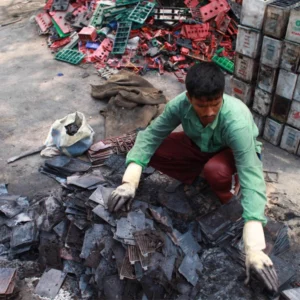
Lead can cause significant biological and neurologic damage, even at small concentrations, and young children are at higher risk. Informal recycling of lead batteries and lead-based workshops/industries have increased the burden of lead toxicity in developing countries, including India. Many informal recycling lead battery workshops have been established by the local people of Patna, Bihar as self-employment opportunities. However, most of the residents are not aware of the risk factors associated with lead poisoning.
Objectives. The present pilot study aimed to assess blood lead levels (BLLs) and hemoglobin levels among children aged between 3 to 12 years in the settlement of Karmalichak near Patna, India.
Materials and Methods. Children residing near the informal lead battery manufacturing unit were selected for BLL assessment. A total of 41 children were enrolled in the questionnairebased survey.
Results. All the children in the present study had detectable lead concentrations in their blood. Only 9% of the studied children had a BLL ≤5 μg/dl, while 91% children had a BLL above >5 μg/dl.
Conclusions. The present study carried out in children of Karmalichak region of Patna, India was an attempt to better understand the problem of lead toxicity, describe the epidemiology of its adverse effects, identify sources and routes of exposure, illustrate the clinical effects and develop strategies of prevention so that remedial measures may be taken by government agencies and regulatory bodies. In view of the high lead levels in children in the study area, attempts are being made to develop strategies for future prevention by relocating the informal battery recycling workshops from the area. Moreover, parents have been advised to increase nutritional supplementation of children by providing calcium-, iron- and zinc-rich foods, including milk and vegetables.
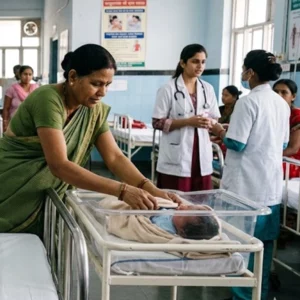
In this study, we evaluated the blood lead levels of pregnant women and their birth outcomes attending an Indian tertiary care teaching hospital, those who were not exposed to any lead-associated industry or shops.
Blood samples from 104 mothers during the 1st trimester, 90 mothers during 3rd trimester, and from the umbilical cord were collected. Self-administered questionnaires were used to collect information on demographics, medical history, and concerns linked to pregnancy. Following acid digestion, the levels of lead in whole blood were determined by an atomic absorption spectrometer. The DNA damage in high blood lead-concentrated pregnant women was evaluated by comet assay methods.
Among 194 blood samples of pregnant women, 31 (15.98%) samples revealed ≥5 μg/dL blood lead levels. High lead concentration (≥5 µg/dL) in 1st trimester pregnant women, end of 3rd trimester and cord blood were detected 20.19%, 11.11% and 1.11% respectively. The mean blood lead levels in 1st trimester, 3rd trimester, and cord blood were 3.88 ± 3.19, 2.66 ± 1.82, and 1.53 ± 1.06 mg/dL, respectively. The blood lead concentrations were significantly higher in the 1st trimester of pregnancy than in the 3rd trimester of pregnancy (P < 0.0017). A positive correlation between maternal and infant blood lead levels was revealed (P < 0.0001). When the comet assay was used to assess the genotoxic consequences of elevated blood lead levels during pregnancy, higher amounts of DNA damage were found in the samples (P < 0.01).
In this descriptive study, there was a significant amount of lead transferred from mother to baby through the placenta. All mothers were not exposed to lead-associated industry and most were housewives. This article may be viewed as an eye-opener for understanding the blood lead concentration during pregnancy to avoid abnormal birth outcomes. To minimize exposure to environmental lead, all possible measures should be undertaken.
While metal pollution and distribution in soil are well documented for many countries, the situation is more serious in developing countries because of the rapid increase in industrialization and urbanization during last decades. Although it is well documented in developed countries, data about substantial metal pollution in Indian soil, especially in eastern Ganges alluvial plain (GAP), are limited. In this study, eight different blocks of Patna district located in eastern GAP were selected to investigate the contamination, accumulation, and sources of metals in surface soil considering different land use types. Additionally, human health risk assessment was estimated to mark the potential carcinogenic and non-carcinogenic effect of metals in soil. The concentration of all metals (except Pb) in soil was below the Indian standard limit of the potential toxic element for agricultural soil. Pb was the most abundant in soil, followed by Zn and Cu, and accounted for 52, 33 and 8% of the total metal. In terms of land use types, roadside soil detected higher concentrations of all metals, followed by park/grassland soil. Principal component analysis results indicated traffic pollution and industrial emissions are the major sources of heavy metals in soil. This was further confirmed by strong inter-correlation of heavy metals (Cd, Cr, Ni, Cu and Pb). Human health risk assessment results indicated ingestion via soil as the primary pathway of heavy metal exposure to both adults and children population. The estimated hazard index was highest for Pb, suggesting significant non-carcinogenic effect to both adults and children population. The children were more prone to the non-carcinogenic effect of Pb than adults. However, relatively low cancer risk value estimated for all metals suggested non-significant carcinogenic risk in the soil.
Lead exposure has previously been associated with intellectual impairment in children in a number of international studies. In India, it has been reported that nearly half of the children have elevated blood lead levels (BLLs). However, little is known about risk factors for these elevated BLLs.
Methods: We conducted a retrospective cross-sectional analysis of data from the Indian National Family Health Survey, a population-based study conducted in 1998-1999. We assessed potential correlates of BLLs in 1,081 children who were < 3 years of age and living in Mumbai or Delhi, India. We examined factors such as age, sex, religion, caste, mother's education, standard of living, breast-feeding, and weight/height percentile.
Results: Most children (76%) had BLLs between 5 and 20 ug/dL. Age, standard of living, weight/height percentile, and total number of children ever born to the mother were significandy associated with BLLs (log transformed) in multivariate regression models. Compared with children < 3 months of age, children 4?11 and 12-23 month of age had 84 and 146% higher BLLs, respectively (p < 0.001). A low standard of living correlated with a 32.3% increase in BLLs (p = 0.02). Children greater than the 95th percentile for their weight/height had 31% (p = 0.03) higher BLLs compared with those who were below the 5th percentile for their weight/height.
Conclusions: Our study found various factors correlated with elevated BLLs in children. The correlation between greater than the 95th percentile weight/height and higher BLL may reflect an impact of lead exposure on body habitus. Our study may help in targeting susceptible populations and identifying correctable factors for elevated BLLs in Mumbai and Delhi.
A study has been conducted to assess the heavy metal contamination in soil of Dewas industrial area of Madhya Pradesh, India. Total twelve locations and one control location were selected in Dewas industrial area for soil quality monitoring w.r.t. heavy metals. The thirteen soil samples were monitored for heavy metals such as Chromium (Cr), Manganese (Mn), Nickel (Ni), Copper (Cu), Zinc (Zn), Iron (Fe), Cadmium (Cd), Lead (Pb) and Cobalt (Co) analysis during different four quarters from April 2018 to March 2019. The present study is an attempt to visualize the heavy metal contamination with w.r.t. Contamination Index (CI), Pollution Load Index (PLI) study in selected locations in Mandideep industrial area. Over all Pollution Load Index of soil was found greater than one which shows polluted soil w.r.t. heavy metals at all selected monitoring locations in Mandideep industrial area of Madhya Pradesh, India during this study.
The present study is aimed to investigate the distribution and migration of the heavy metals in both ground water and soil profile in Peenya Industrial area. The Peenya Industrial area is considered to be one of the largest and oldest Industrial Area in the South-East Asia. Hence in this research work studies are carried out to know the level of heavy metals in ground-water, and soil profile, degree of pollution due to Industrial activities and water quality index of the study area. In this study a total number of 42 ground water samples were collected from different locations of Peenya Industrial Area and analyzed for various Physical and Chemical properties such as pH, Alkalinity, Chloride, Calcium, Magnesium, Total dissolved solids, Total hardness and Nitrate in the Laboratory using analytical methods. The concentration of heavy metals viz. Iron, Chromium, Nickel, Copper, Cadmium and Lead were analyzed using AAS (Atomic Absorption Spectrophotometer).Water quality of the study area is determined using a tool known as Water Quality Index (WQI). The WQI for the study area ranges from 35.29-7787.40. The high values of WQI is due to high values of Chromium, Nickel, Cadmium, Iron, Lead, TDS, TH, Calcium, Magnesium, Nitrate, Chloride, and Alkalinity. The total numbers of 24 Soil samples were collected to investigate both distribution and migration of heavy metals in soil profile. The concentration of heavy metals viz. Iron, Chromium, Nickel, Copper, Cadmium and Lead in soil were analyzed by Mehlich-I extraction method and determined using AAS. The present analysis reveals that ground-water and soil of the study area needs some degree of treatment and should be protected from future contamination.
This study presents spatial distribution, sources and toxicological risks of As, Cr, Cu, Hg, Ni, Pb, and Zn in the surface sediments from north-western Karnataka, southern India. Heavy metals (except Hg) are 1-5 times enriched than upper continental crust. High concentration of Cr, Ni, Cu, and Zn is in the central Kudalgaon, Devarayi, and Tavargatti and in the south-western Ganeshgudi area, whereas Arsenic is enriched in the north-eastern Alnavar, Kakkeri,Tavargatti and Pb, and Hg in the north-western Kapoli, Devarayi, Manjarpal villages. The ecological risk index, toxic risk index, and mean probable-effects-levels quotient of heavy metals suggest that ~ 40% of the area is prone to very high risk especially for Cr and As to the hydrological, biological, and ecological systems. Multivariate statistical analysis suggests possible geogenic sources for Ni, Cr, Cu, and Zn and anthropogenic sources such as emissions from vehicles and agricultural sectors for As, Hg, and Pb. This study is the first of its kind in the area, which will help, in better formulation of environmental pollution and risk related remedial measures to conserve the natural ecosystem and the well-being of humans.
The aim of this study was to estimate the activity of superoxide dismutase (SOD) and catalase in erythrocytes and malondialdehyde (MDA) in plasma of battery manufacturing workers (BMW) of Western Maharashtra (India) who were occupationally exposed to lead (Pb) over a long period of time (about 15 years). This study was also aimed to determine the Pb intoxication resulted in a disturbance of heme biosynthesis in BMW group. The blood Pb level of BMW group (n = 28) was found to be in the range of 25.8 – 78.0 microg/dL (mean + SD, 53.63 + 16.98) whereas in Pb unexposed control group (n = 35) the range was 2.8 – 22.0 microg/dL (mean + SD, 12.52 + 4.08). The blood level (Pb-B) and urinary lead level (Pb-U) were significantly increased in BMW group as compared to unexposed control. Though activated d- aminolevulinic acid dehydratase (ALAD) activities in BMW group did not show any significant change when compared to control group but activated / non activated erythrocyte – ALAD activities in BMW group showed a significant increase. Erythrocyte- zinc protoporphyrin (ZPP), urinary daminolevulinic acid (ALA-U) and porphobilinogen (PBG-U) of BMW groups elevated significantly as compared to control. A positive correlation (r = 0.66, p < 0.001) between Pb-B and ALA-U were found in BMW group but no such significant correlation (r = 0.02, p> 1.0) were observed in control group. Hematological study revealed a significant decrease of hemoglobin concentration, packed cell volume (%) and other blood indices and a significant increase of total leucocytes count in BMW group in comparison to control group. The serum MDA content was significantly increased (p < 0.001) and the activities of antioxidant enzymes such as erythrocyte- SOD (p < 0.001) and erythrocytecatalase (p < 0.001) were significantly reduced in BMW group as compared to control group. A positive correlation (r = 0.45, p < 0.02) between Pb-B and serum MDA level was observed in BMW group (Pb-B range 25.8 - 78.0 microg / dL) but such significant correlation did not notice in control group (Pb-B range 2.8 - 22.0 microg / dL). The study clearly showed an adverse effect of heme biosynthesis and imbalance of pro-oxidant / antioxidant status in lead exposed battery manufacturing workers resulting in increase in lipid peroxidation associated with decrease in erythrocyte-SOD and erythrocyte-catalase activities.
Introduction: The high blood lead level induces oxidative stress and alters the antioxidant status of battery manufacturing workers. Supplementation of vitamin C is beneficial to reduce the oxidative stress and to improve the antioxidant status of these workers.
Aim: The main aim of this study was to observe the changes in blood lead levels, oxidative stress i.e. serum lipid peroxide and antioxidant status parameters such as erythrocyte superoxide dismutase and catalase and serum nitrite after the vitamin C supplementation in battery manufacturing workers.
Materials and Methods: This study included 36 battery manufacturing workers from Western Maharashtra, India, having age between 20-60 years. All study group subjects were provided vitamin C tablets (500 mg/day for one month) and a blood sample of 10 ml each was drawn by puncturing the anterior cubital vein before and after vitamin C supplementation. The biochemical parameters were estimated by using the standard methods.
Results: Blood lead levels were not significantly altered, however, serum lipid peroxide (p<0.001, -15.56%) and serum nitrite (p<0.001, -21.37%) levels showed significant decrease and antioxidant status parameters such as erythrocyte superoxide dismutase (p<0.001, 38.02%) and catalase (p<0.001, 32.36%) revealed significant increase in battery manufacturing workers after the supplementation of vitamin C.
Conclusion: One month vitamin C supplementation in battery manufacturing workers is not beneficial to decrease the blood lead levels. However, it is helpful to reduce the lipid peroxidation and nitrite formation and enhances the erythrocytes superoxide dismutase and catalase activity.
Background: Lead is found in small but appreciable quantities in air, soil, drinking water, and food. Exposure to such amounts of lead does not lead to acute lead toxicity but produces subtle effects particularly in children. The aim of this study was to investigate the effects of blood lead level on biochemical and hematological parameters in children with neurological diseases in Western Maharashtra, India, and to estimate the blood lead level by liver and kidney function tests and hematological parameters in children with neurological disorders admitted to the pediatric ward and compare them with healthy controls.
Methods: In this study, 30 children with various neurological disorders admitted to the pediatric ward of Smt. Kashibai Navale Medical College and General Hospital, Pune, Maharashtra, India, were compared with 30 age- and sex-matched healthy controls. Four milliliters of venous blood was collected for estimation of blood lead level, and biochemical and hematological parameters were determined using standard methods.
Results: Blood lead level was significantly increased in the study group (p<0.01, 65.38%) compared to that in the control group. When different neurological conditions were grouped into three groups according to blood lead levels, there was a significant difference between the groups. All other biochemical and hematological parameters were not significantly altered in the study group as compared to the control group.
Conclusions: Neurologically challenged children are more vulnerable to lead intoxication. It is imperative for the parents to take extra care of their children’s food habits and limit hand-to-mouth activities to prevent lead intoxication.