Introduction: There is a high prevalence of chronic kidney disease (CKD) in the rural agrarian population of South India and it often appears unrelated to major known causes such as diabetes or glomerulonephritis.
Methods: In a matched case-control study conducted in a rural population in Shivamogga district in South India, the association of heavy metals – lead (Pb), arsenic (As), cadmium (Cd) – and pesticides in CKD was studied. Blood and spot urine samples were tested quantitatively for heavy metals and qualitatively for pesticides.
Results: In all, 69 matched pairs (40 female, 58%) were recruited. The mean estimated glomerular filtration rate (mL/min/1.73 m2) was 60.1 (14.2) in cases and 83.4 (13.4) in controls. Elevated blood lead level >5 μg/dL was seen in 15 cases and 25 controls, respectively [P = 0.035, matched odds ratio (MOR) 0.5, 95% confidence interval (CI) 0.22-1.05]. Urinary Pb was elevated in 16 cases and 13 controls, respectively (P = 0.28, MOR 1.25, 95% CI 0.58-2.73). There was no significant association with As and Cd, while pesticide residues were undetectable in cases as well as controls. These results did not change even after excluding CKD cases with diabetes, stage 2 hypertension, and significant proteinuria.
Conclusions: There was no statistical significant association between any of the studied heavy metals and CKD, although there was a significant burden of heavy metals in the studied subjects.
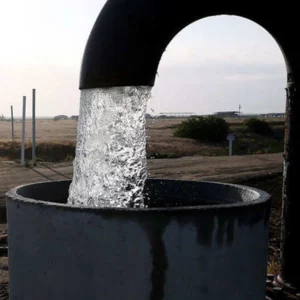
Immersion of painted idols and addition of organic wastes in the lake water, as a part of religious activities, is a common religious practice in India. These activities add to the contamination of water with alkali, alkaline earth metals and heavy metals and therefore, degrade water quality and limit conservation of good quality water in the lakes. In this pretext, periodic analysis of Madiwala and Lalbagh lake water were carried out to investigate the impact of idol immersion activities on the lake water quality. In Madiwala lake, the maximum concentrations of calcium and magnesium were recorded to be 9.31 and 4.6 ppm, respectively after one month of immersion. The maximum concentrations of Na and K were 51.3 and 37 ppm respectively, after seven days of immersion in Madiwala lake water. The pH of the Lalbagh lake water dropped from 8.89 to 8.47 in the post immersion period. The BOD and COD levels also increased from 17.5 and 135.5 to 27.4 and 237.5 mgL-1 , respectively in Lalbagh lake water which reflects reduction in the dissolved oxygen content of the lake water. The concentrations of different inorganic ions including heavy metals (Cr, Cd, Ni and Pb) were found to increase in the post immersion period. The water of these lakes is used for irrigation as well as for other household purposes in the adjoining areas. Thus, it may pose threat of heavy metal pollution in the near future if the problem is not addressed in due course of time.
Heavy metal accumulation in soils, and subsequently, in vegetation by long-term wastewater irrigation has a potentially detrimental effect on humans via their transfer along the food chain. In this reconnaissance study the effects of wastewater irrigation on the accumulation of heavy metals (Co, Cr, Cu, Mn, Ni, Pb and Zn) in soils and vegetables from croplands along some ~60 km stretches of Sabarmati River, near Ahmedabad city were assessed. Geochemical factors associated with metals in the soil-water environment seem to regulate more the metal transfer (soil-to-vegetable) than the physiological factors associated with the vegetable’s types. The risk associated with the dietary intake of metal contaminated vegetables was quantified by Hazard Quotient (HQ). HQ was found to be very less sensitive on to the dietary intake pattern (e.g., leafy versus non-leafy vegetables) of the consumers. In contrast to low risk associated with Co, Cu, Ni and Zn with very low HQ values, high risk was found for Pb (HQ of ~6.1±0.6) followed by both Mn and Cr (HQ of ~1.0 ± 0.1). Based on the results on wastewater irrigation in the studied region, we suggest more efficient treatment of wastewater facilities and semi-decadal monitoring of heavy metal in vegetables grown under wastewater irrigated soils.
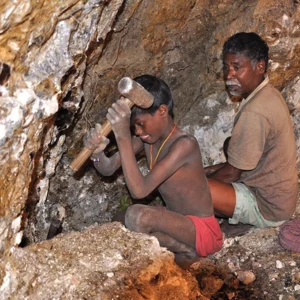
This study was carried to investigate the contamination levels of heavy in food crops (rice, wheat, maize, and pulses) grown in the vicinity of the mica mine in Jharkhand, India. Except for Pb and Zn in select places, the metal concentrations in the food crops were below the maximum allowed levels for food in India. The principal component analysis identified three components that accounted for 71.3 % of the variability in the data. The components that were retrieved indicated that soil, irrigation water, and air dust deposition could be the sources of metals in the food crops. The estimated daily intake (EDI) and target hazard quotient (THQ) of food crop consumption were used to highlight the potential health concerns associated with metal exposure. In several samples, local individuals’ daily intakes of Pb was greater than the WHO’s recommended daily intakes of these heavy metals. Taking into account the geometric mean of metal concentrations in food crops samples from the, the hazard index (HI) for the consumers was 10.28 which is far above unity. Pb, Co, and As were the primary contributors to the potential non-carcinogenic risk. The HI ranged from 7.22 to 18.29 across different locations, indicating a significant health risk to the consumers of locally grown food crops in the vicinity of the mica mining areas.
Endocrine-disrupting chemicals (EDC) are linked to human health and diseases as they mimic or block the normal functioning of endogenous hormones. Heavy metals are also considered as endocrine disrupters. The present work dealt with the detection and identification of Heavy metals (Pb, Cd, Cr, Ni, Hg) having estrogenic properties from three different sites around Guwahati city, India, well known for its polluted water. Water samples were collected and analyzed using Atomic Absorption Spectrophotometer. The estrogenic heavy metal concentration in water was in the order Pb>Cr>Ni>Hg>Cd.
The study investigated the immunosuppressive effects of lead toxicity on the freshwater walking catfish. The authors observed that lead (plumbism) exposure significantly impairs the fish’s immune system.
A Common Indian cat fish, Clarias batrachus Linneaus was treated with Lead Acetate for sub-acute and chronic exposure to the xenobiotic. The sub acute study included 3 days and 7 days exposure to different concentrations of lead acetate, while chronic study included exposure to 15 ppm lead acetate for 105 days. In all the cases tissues from Gills, Bones, Liver, Blood, Kidneys, Muscles, Skin and GI tract were removed and analyzed by AAS to find lead accumulation. The Bio-Concentration Factor (BCF) was calculated .The BCF varies from organ to organ. Additionally , X-rays photography was made on the chronic treated fishes from time to time, to see whether skeletal tissue is a target of the heavy metal or not. The Co-relation Co-efficient ( r’) in these tissues between Lead treatment and Lead accumulation was found to be highly significant suggesting it both as a dose-dependent and time-dependent process.
To investigate the complex Pb-Cd exposure network in school-going children, a thorough investigation of the probable exposure means (diet, water, and school micro-environments such as paint dust and school courtyard soil) and exposure route (ingestion, inhalation and dermal) was carried out in a periurban area spanning three districts in southern Assam, India. Multivariate statistical analysis was carried out to understand the complex data matrices, and the health risk assessments (carcinogenic and non-carcinogenic) based on US EPA Risk Assessment models were also made.
We found the median values to be 0.9-4.0 mg Pb/kg and 0.21-6.2 mg Cd/kg in various food items. Groundwater also had Pb (0.13-0.48 mg/L) and Cd (0.11-0.29 mg/L). Pb levels in paint dust were within the permissible limits, but 50% of the samples had higher than permissible levels of Cd. Approximately 23% of the school courtyard soil had Pb above the global background levels, but all the samples had 4-27 times elevated levels of Cd in them. School micro-environment contributed significantly to the metal load in children due to their typical hand-to-mouth behavior and dietary intake (food and water) via ingestion was the most prominent route of exposure in children. The evaluation of the estimated chronic daily intake and the hazard quotient indicated hazardous exposure over a lifetime to both Pb and Cd, but only Cd posed a prominent cancer risk.
It could be concluded that chronic insidious effects of metals would be a noteworthy toxicological threat to children when exposed early on.
High concentrations of lead and cadmium are reported for the first time in the groundwaters of Visakhapatnam area, attributable to increased human activities and lack of environmental protection. It suggests an urgent need for remedial measures to overcome future health hazards in this area.
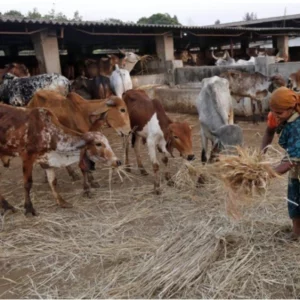
We provide an annual bovine lead exposure estimate for India utilizing random forest modeling, PureEarth’s Toxic Sites Identification Program database, and the FAO’s Gridded Livestock dataset. In aggregate, India suffered 3,273 bovine fatalities, $ 21,437,575 of economic damages, and 23.1 km2 of lethally contaminated land across 222 used lead acid battery recycling sites. This implies per-site averages of 14.7 fatalities, $ 96,566 in economic damages, and 0.10 km2 of lethally contaminated land. Without remediation efforts, damages are likely to repeat every year. While this is a conservative estimate, the identified per-site damages indicate an unrecognized severe burden on the rural poor.
Lead and its compounds are used in paints not only to impart colour but also to make it durable, corrosion resistant and to improve drying. Adverse health impacts of lead especially on children have led countries to restrict or ban its use in paints. While U.S. and other developed countries instituted measures to limit the use of lead in paints, some developing countries including India have failed to regulate their lead content. The present study was undertaken to determine the levels of lead in new latex (water-based) and enamel paints (oil-based) intended for residential use in India. A total of 69 paint samples (38 latex and 31 enamel samples) from six of the most popular brands were analysed for lead concentrations.While all latex paint samples contained low levels of lead, (i.e., well below 600 ppm as regulated by United States’ Consumer Products Safety Commission) the enamel paint samples of all but one brand contained significant concentrations of lead, ranging up to 140,000 ppm. In fact 84% of the enamel paints tested exceeded 600 ppm whereas only 38 % of all samples (including latex and enamel types) exceeded this regulatory level.
This study evaluates lead pollution in Central India, focusing on industrial and vehicular sources. Analytical methods like XRF, PIXE, and AAS were used to assess lead levels in various environmental matrices.
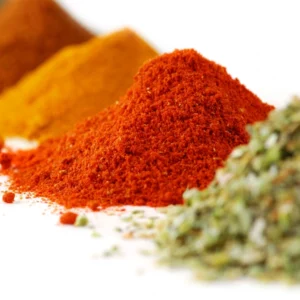
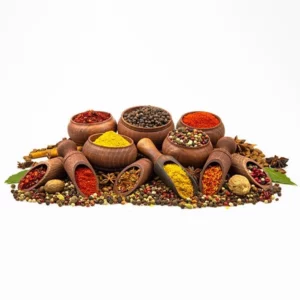
Lead (Pb) is a heavy metal with wide applications in many fields, because of its broad range of industrial usage. It is also a common occupational and industrial hazard throughout the world. The toxicity of Pb remains a matter of public health concern, and the awareness about its toxic effects at exposure levels has gained a lot of importance over recent years. There has been a growing interest in monitoring heavy metal contamination in spices. The present study has been conducted to determine the concentration of Pb in eleven commonly used spices available in local Indian markets. The samples have been processed, digested and finally analyzed using Atomic Absorption Spectrophotometry. The levels of Pb in most spices were found to be within acceptable reference limits with the exception of cardamom, cinnamon, cloves, coriander, fenugreek, and ginger. In 20 gm of each of these spices the Pb level was found above the maximum permissible limit (MPL) as proposed by WHO/FAO and US, FDA. Generally, most of the spices available in the market are safe for human consumption, as far as Pb poisoning is concerned, in the amount of 20 gm. But excessive consumption, in concentrated form, is inadvisable over a long period of time, as it has potential to cause harmful accumulation of Pb in the body. As for cardamom, cinnamon, cloves, coriander, fenugreek, and ginger, the daily consumption level should be curtailed to avoid long term health hazards due to Pb poisoning.
In remote areas of India, folk medicine by local unregistered practitioners is quite common. Such practitioners use Sindoor or Vermillion, or Kumkum in their medicinal preparations to cure chronic ailments like joint pain, infertility, asthenia, impotence, and immunological disorders. Traditional Indian Vermillion is prepared using lime (calcium component) mixed with various natural ingredients like camphor, oil, agaru, sandalwood paste, and turmeric. However, modern-day commercial Vermillion contains Lead tetroxide. The use of such lustrous synthetic Vermillion that contains Lead salts in folk medicine may cause Lead intoxication among the consumer tribal population.
Case Report: The case of a 51-year-old male admitted to our tertiary care institute with colicky abdominal pain and quadriparesis and a history of chronic tea intake containing synthetic Vermillion and turmeric as prescribed by local folk medicine practitioners is presented.
Discussion: People in remote areas of the tribal-state of Chhattisgarh (India) often consult a local traditional healer first and report to a modern health facility when things go out of hand. The instant case presented after development of quadriparesis, dysphagia, and dysphonia. He was diagnosed as a case of Lead toxicity based on clinical suspicion corroborated by blood Lead levels and was conservatively managed with BAL leading to satisfactory recovery. Conclusion: In the case of Lead toxicity, early diagnosis, careful evaluation of complications, and immediate treatment are very important. As a preventive measure, medical systems need to educate and collaborate with traditional practitioners in the best interest of tribal people residing in remote areas of India.
In recent years, there has been a growing interest in monitoring the heavy metal Lead (Pb) concentration in spices. Spices can improve the taste of food and can also be a source of many bioactive compounds, but, unfortunately, can also be contaminated with potentially dangerous substances like the heavy metal lead (Pb). This study was conducted to investigate Pb contamination in selected spices commonly consumed in India. Samples of Black Pepper powder, Chat Masala, Chili powder, Curry powder, Garam Masala and Turmeric powder from 15 selected stores across Kolkata, India, were collected using the Market Basket survey method and tested using Atomic Absorption Spectrophotometry for the level of Pb in each sample. Samples were found to have Pb levels below the FAQ/WHO levels of 0.3µg/gm except for Turmeric powder and Chili powder. The highest levels of Pb was found in Chili powder and Turmeric powder, which greatly exceeded the permissible amounts. Since these spice powders have widespread and very common uses across India, chronic and long term exposure can lead to elevated blood lead levels and cause hazardous accumulation of Pb in body.